



Please fill out the form below to request a quote or to request more information about us. please be as detailed as possible in your message, and we will get back to you as soon as possible with a response. we're ready to start working on your new project, contact us now to get started.
The Advantages Of Carbon Fiber Motorcycle Helmets
2026-11-10
MY HELMET
38
Unlocking the Future of Motorcycle Safety: The Advantages of Carbon Fiber Motorcycle Helmets
Are you a motorcycle enthusiast looking to enhance your riding experience while prioritizing safety? If so, you’ve probably asked yourself, “What can I do to protect myself while still enjoying the thrill of the ride?” Look no further than carbon fiber motorcycle helmets—an innovation that blends cutting-edge technology with superior protection. In our comprehensive article, we dive deep into the remarkable advantages of these lightweight yet incredibly strong helmets. From improved comfort and reduced fatigue during long rides to enhanced impact resistance that keeps your head safe in the event of an accident, carbon fiber helmets are reshaping the standards of motorcycle gear. Join us as we explore what makes these helmets the best investment for riders of all levels, ensuring that every journey is both exhilarating and secure. Don’t miss out—your next ride could change forever!
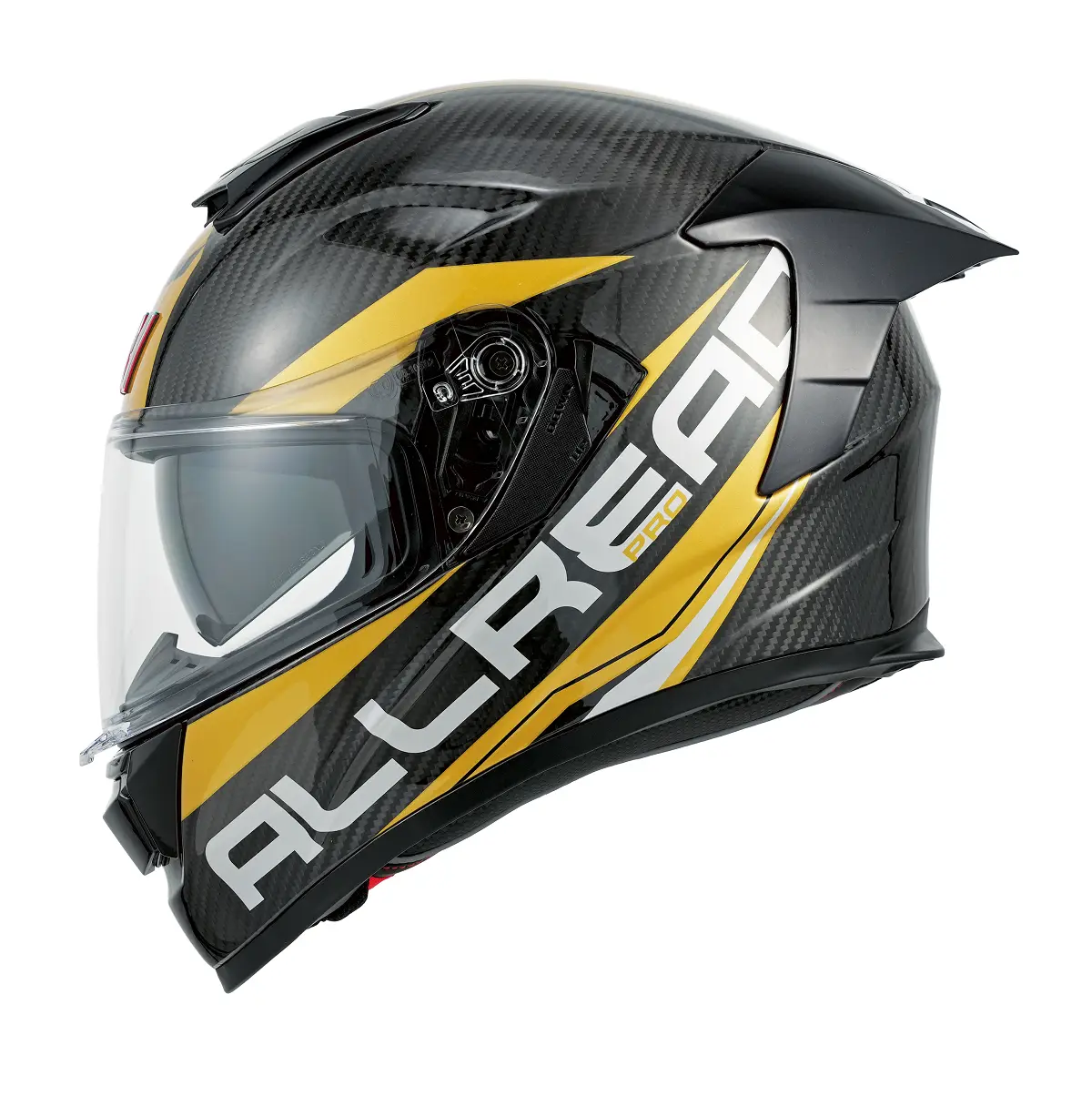
Understanding the Importance of Helmet Safety in Motorcycling
In the exhilarating realm of motorcycling, where speed and freedom intertwine, safety should never take a backseat. Central to rider safety is the motorcycle helmet, an essential piece of gear that can mean the difference between life and death in the event of an accident. Understanding helmet safety, especially through the lens of advancements in materials like carbon fiber, offers crucial insights for both novices and seasoned riders alike.
The motorcycle helmet serves primarily to protect the head from impacts during a crash. Its design focuses on absorbing shock and minimizing the risk of brain injury, which is paramount given that the head is the most vulnerable part of the body during a collision. Among the various types of helmets available in the market, carbon fiber motorcycle helmets are gaining immense popularity, thanks to their superior safety characteristics and lightweight nature.
One of the most noteworthy features of a carbon fiber motorcycle helmet is its strong yet lightweight structure. Carbon fiber is known for its exceptional tensile strength-to-weight ratio, making it a preferred material in many high-performance applications, including aerospace, automotive, and now, motorcycle gear. A lighter helmet means less strain on the neck and shoulders during long rides, while its resistance to impact ensures adequate protection in a fall. This combination can enhance rider comfort and contribute to better overall handling of the motorcycle.
The importance of helmet safety cannot be overstated; in fact, studies demonstrate that wearing a helmet significantly reduces the likelihood of fatal head injuries in the event of a motorcycle crash. According to the National Highway Traffic Safety Administration (NHTSA), helmets are 37% effective in preventing fatalities, and riders who choose to wear them are better protected than those who do not. This statistic highlights the critical nature of making helmet safety a priority for every motorcyclist.
Carbon fiber helmets are not only designed for protection but also integrate advanced safety technologies that further enhance their effectiveness. Many carbon fiber motorcycle helmets come equipped with multi-density EPS (expanded polystyrene) liners that absorb impact energy across a range of impacts, from minor spills to severe crashes. This technology reduces the risk of skull fractures and brain injuries, offering an added layer of safety that riders should consider. Furthermore, the aerodynamic design of many carbon fiber helmets not only contributes to their sleek appearance but also minimizes drag, allowing for improved stability and performance at higher speeds.
Comfort features in carbon fiber motorcycle helmets should not go unnoticed. Beyond safety, the fit and comfort of a helmet can affect a rider's focus and attention while on the road. A well-fitted helmet, usually equipped with moisture-wicking liners, ventilation systems, and customizable padding, can keep riders cool and comfortable over long distances. These comfort factors are crucial as fatigue can impair reaction time and decision-making, exacerbating the risks associated with riding.
Furthermore, the advent of modern technology has introduced innovative features in carbon fiber motorcycle helmets that contribute to both safety and ease of use. Many helmets come with integrated communication systems, allowing riders to stay connected with other riders or access navigation systems without taking their eyes off the road. In this way, helmet safety extends beyond physical protection, incorporating technological advancements to foster situational awareness and reduce distractions.
By considering helmet safety through the progression of materials like carbon fiber, motorcyclists can make informed choices that prioritize their well-being. Investing in a high-quality carbon fiber motorcycle helmet is not merely about adhering to safety regulations; it represents a commitment to personal safety and responsibility on the road. Every ride carries inherent risks, but wearing the proper protective equipment can greatly attenuate those dangers, affording riders the freedom to enjoy their journey without unnecessary worries.
In summary, the importance of helmet safety in motorcycling cannot be underestimated, particularly with the advancements in helmet technology and materials like carbon fiber. The blend of comfort, safety, and innovation positions carbon fiber motorcycle helmets as a quintessential choice for those looking to enhance their riding experience. By understanding the benefits and prioritizing helmet safety, riders can embrace their passion for motorcycling while ensuring their heads remain fully protected. The balance of thrill with safety is what transforms the motorcycle experience from a mere hobby into a lifestyle.
The Science Behind Carbon Fiber: A Game Changer in Helmet Design
What is Carbon Fiber?
Carbon fiber is a polymer consisting of thin strands of carbon atoms woven together in a matrix. This material is celebrated for its high strength-to-weight ratio, exceptional rigidity, and resistance to deformation. The manufacturing process involves the carbon atoms being bonded together in a crystalline formation, resulting in a material that is not only lightweight but also extraordinarily strong. This engineering marvel makes carbon fiber an ideal candidate for applications where both durability and weight are critical factors, such as in aerospace and automotive industries, and now, more prominently, in protective gear like motorcycle helmets.
Lightweight and Strong: A Perfect Pairing for Helmet Safety
Motorcycle helmets are crucial for protecting a rider's head, and the effectiveness of a helmet largely hinges on its structural integrity and weight. Traditional materials like polycarbonate or fiberglass, while offering adequate protection, can weigh down the helmet and, consequently, the rider. Enter carbon fiber motorcycle helmets, which maintain the crucial protective qualities while significantly reducing the weight. A typical carbon fiber helmet can weigh up to 30% less than its fiberglass counterpart without sacrificing safety standards.
This reduction in weight not only enhances comfort but also minimizes neck strain during long rides. The superior strength of carbon fiber allows for thinner shell designs, which, alongside various internal padding systems, can provide greater aerodynamics and better fit for the rider. The result is a helmet that doesn’t just fulfill its primary duty of protection but does so with an emphasis on rider comfort and agility.
Enhanced Shock Absorption
The structural makeup of carbon fiber also grants it remarkable shock-absorbing capabilities. When layered and combined with other materials, including expanded polystyrene (EPS) foam, carbon fiber effectively dissipates the energy from impacts. This is especially critical in motorcycle helmet design, where the helmet must absorb variable levels of force during crashes. Unlike some other materials, carbon fiber maintains its integrity under stress and deformation, providing an additional layer of safety.
The multiaxial construction of carbon fiber allows it to flex and absorb impact energy in multiple directions, further enhancing protection during accidents. This feature is particularly crucial, as accidents can occur at varying angles and forces, requiring helmets that can adapt to different types of impacts to protect the rider effectively.
Thermal Stability and Environmental Resistance
Unlike some traditional helmet materials, carbon fiber exhibits excellent thermal stability, making it less prone to warping from temperature fluctuations. For riders who often face diverse riding conditions, this resilience results in a more reliable product that won’t compromise its safety or performance capabilities over time.
Moreover, carbon fiber possesses substantial resistance to chemicals, moisture, and UV light, ensuring longevity and continued safety. This durability means that a carbon fiber motorcycle helmet can withstand the rigors of weather exposure and environmental challenges that may degrade other materials quicker.
Aesthetics Meets Functionality
Beyond the mechanical and protective advantages, carbon fiber also allows for sleek and stylish designs. The distinct woven appearance of carbon fiber is often considered a hallmark of high-tech gear and adds an aesthetic appeal that many riders find attractive. This blend of science and fashionable design has made carbon fiber motorcycle helmets highly sought after among enthusiasts.
Manufacturers are increasingly harnessing the versatility of carbon fiber to create innovative helmet styles and features, catering to various rider preferences while ensuring that safety remains paramount. Riders no longer have to sacrifice style for protection; they can choose a helmet that excels in both areas.
In conclusion, the integration of carbon fiber into motorcycle helmet design represents a paradigm shift in the industry. Its lightweight, strong, and shock-absorbent properties, coupled with its thermal stability and resistance to environmental factors, have set a new benchmark for safety and performance. As technology continues to evolve, the carbon fiber motorcycle helmet stands as a testament to what can be achieved through material science, promising enhanced safety for riders everywhere.
Comparing Traditional Helmets to Carbon Fiber Alternatives
When it comes to motorcycle safety, the helmet is one of the most critical pieces of equipment a rider can invest in. For decades, traditional helmets made from materials such as polycarbonate and fiberglass have dominated the market, offering fundamental protective features and moderate comfort. However, a newer contender—carbon fiber motorcycle helmets—has emerged, capturing the attention of both enthusiasts and safety experts alike. By examining the differences between traditional helmets and carbon fiber alternatives, we can gain insight into why riders may want to consider making the switch.
Weight and Comfort
One of the foremost differences between traditional helmets and carbon fiber alternatives is weight. Standard helmets tend to be heavier, primarily due to their construction materials. A traditional fiberglass helmet can weigh anywhere from three to four pounds, a significant burden on a rider’s neck during long rides. In contrast, carbon fiber motorcycle helmets are known for their impressively lightweight design. Weighing as little as two pounds, carbon fiber options provide enhanced comfort, particularly during extended use. Riders often report less neck strain and fatigue, which can lead to more enjoyable and safer rides.
Impact Resistance and Safety
When it comes to safety, both traditional and carbon fiber helmets are rated to meet safety standards. However, carbon fiber helmets offer superior impact resistance and strength. The unique molecular composition of carbon fiber provides an extraordinary strength-to-weight ratio, allowing these helmets to absorb impacts better than most conventional materials. In the event of an accident, a carbon fiber motorcycle helmet may offer increased protection due to its ability to distribute and dissipate energy more efficiently, reducing the likelihood of injury.
Additionally, carbon fiber helmets undergo rigorous testing to meet or exceed safety regulations, ensuring that they provide the necessary protection required on the road. While traditional helmets can offer a basic level of safety, the advanced engineering behind carbon fiber helmets means that riders can have greater peace of mind when it comes to protecting their heads during unforeseen circumstances.
Aerodynamics and Performance
Another significant factor differentiating carbon fiber motorcycle helmets from their traditional counterparts is aerodynamics. The sleek and streamlined design of carbon fiber helmets not only contributes to their aesthetic appeal but also enhances performance. The lightweight nature of carbon fiber ensures that there is less drag as a rider cuts through the wind, which can translate to improved speed and handling on the road. This aerodynamic advantage can be particularly beneficial for sportbike riders who often require optimal performance in high-speed conditions.
Conversely, traditional helmets may lack this intricate design and aerodynamics, which can impact a rider’s overall experience, especially at higher velocities. The modern design of carbon fiber helmets, often paired with features such as integrated vents and ergonomically placed padding, facilitates a better riding experience, reducing wind noise and increasing overall enjoyment.
Longevity and Durability
Durability is another area where carbon fiber motorcycle helmets shine compared to traditional options. Carbon fiber is known for its resistance to wear and tear, making these helmets a worthy long-term investment. Unlike traditional fiberglass helmets that may develop scratches or weaken over time, carbon fiber helmets maintain their integrity much longer, provided they are cared for properly. This increased lifespan means that riders can depend on their carbon fiber helmet to perform well over time, ultimately saving money associated with frequent replacements.
Cost Considerations
While it’s undeniable that carbon fiber motorcycle helmets often come with a higher price tag than traditional helmets, many riders and safety professionals argue that the investment is justified given the vast array of benefits. A carbon fiber helmet's weight, strength, and superior construction can significantly enhance a rider’s safety and comfort, making it a worthwhile expenditure for those serious about their riding experience.
In conclusion, the choice between traditional helmets and carbon fiber alternatives involves weighing the benefits of comfort, safety, aerodynamics, durability, and price. As more riders become educated about the advantages of carbon fiber motorcycle helmets, the trend of selecting these high-performance helmets is likely to continue. For anyone committed to enjoying a safer, more comfortable riding experience, investing in a carbon fiber helmet may be the best choice.
Real-World Benefits: Why Riders are Choosing Carbon Fiber Helmets
Superior Protection
When it comes to helmets, protection is the number one priority. Carbon fiber motorcycle helmets are renowned for their exceptional impact-resistance, thanks to the strength of the material. Carbon fiber is not only lightweight but also incredibly strong, offering a level of durability that can withstand significant forces. This enhanced protection significantly reduces the potential for head injuries in the event of an accident. As a result, many riders are opting for carbon fiber helmets after being impressed by safety test ratings and reviews highlighting their superior performance in crash scenarios.
Lightweight Design
One of the most significant advantages of carbon fiber motorcycle helmets is their lightweight nature. Traditional helmets, typically made from materials like polycarbonate or fiberglass, can often feel cumbersome over extended rides. In contrast, carbon fiber helmets offer a more streamlined design, which translates to decreased pressure on the neck during long journeys. A lighter helmet not only enhances rider comfort but also allows for improved aerodynamics. Riders appreciate the freedom of movement afforded by these helmets, which often results in less fatigue during long rides or challenging conditions.
Enhanced Comfort and Fit
Comfort is a crucial factor for riders who spend hours on the road. Carbon fiber motorcycle helmets are designed with advanced interior padding systems that promote a snug, customized fit. Many manufacturers focus on ergonomic designs that take into account the natural shape of the head, leading to minimal discomfort even during extended wear. This level of comfort is further augmented by ventilation systems that allow for airflow, helping riders stay cool—an invaluable feature during hot weather rides. The combination of lightweight construction and exceptional comfort makes carbon fiber helmets an appealing choice for both daily commutes and long tours.
Aesthetic Appeal
Beyond function, appearance plays a significant role in helmet selection for many riders. Carbon fiber motorcycle helmets present a sleek, modern aesthetic that appeals to the sensibilities of contemporary riders. The unique weave of carbon fiber not only serves practical purposes but also provides a striking visual profile. Many manufacturers offer a range of designs and color options, making it easier for riders to express their individuality while ensuring safety. As riders increasingly prioritize style along with functionality, carbon fiber helmets have become a popular choice in the market.
Long-Term Investment
Investing in a carbon fiber motorcycle helmet can be viewed as a long-term decision. While the upfront cost may be higher compared to traditional helmets, the durability and longevity of carbon fiber are well documented. These helmets are less prone to damage and wear over time, meaning that riders may find they need to replace them less often. Furthermore, the maintenance of carbon fiber helmets is often easier due to their robust surface, which can generally endure scratches and other forms of cosmetic wear better than their counterparts. For many riders, the value proposition associated with carbon fiber helmets makes them a more economical choice over the years.
Noise Reduction
Another notable benefit of carbon fiber motorcycle helmets is their potential for noise reduction. These helmets can often offer better sound insulation compared to helmets made from other materials, providing a quieter ride. Riders frequently cite the ability to hear the engine and the open road without the excessive wind noise that often accompanies rides. This can lead to less fatigue and an improved riding experience, allowing riders to focus on their surroundings and enjoy the thrill of the ride more fully.
Given the myriad of benefits—ranging from enhanced safety and comfort to aesthetic appeal and long-term value—it’s no wonder that carbon fiber motorcycle helmets are becoming the choice of discerning riders worldwide. With motorcycle safety and enjoyment paramount in their minds, these riders are making informed decisions that align with their needs and riding styles. As this technology continues to evolve, riders are likely to see even more innovations within carbon fiber helmets that uphold safety and enhance the riding experience.
Future Trends: How Carbon Fiber Technology is Shaping Motorcycle Safety
Motorcycling has remained a popular mode of transport and leisure activity for decades, but the need for improved safety measures has become increasingly pronounced as the number of riders grows. In an industry where every ounce of weight and every ounce of protection matters, carbon fiber technology is at the forefront, revolutionizing the way we think about safety gear, particularly with the advent of the carbon fiber motorcycle helmet.
The Rise of Carbon Fiber in Motorcycle Safety Gear
Carbon fiber is a high-tech composite material known for its incredible strength-to-weight ratio. It is significantly lighter than traditional materials used in helmets, such as polycarbonate or fiberglass, while also providing superior rigidity and impact resistance. This combination of qualities makes carbon fiber motorcycle helmets exceptionally safe without compromising on comfort—a critical factor when you're tackling winding roads or enduring long-distance rides.
The manufacturing process of carbon fiber involves layering thin strands of carbon cloth and binding them in resin. This results in a helmet that can absorb and distribute impact forces more effectively than conventional materials. As safety standards evolve and more stringent regulations are enforced, the demand for advanced materials like carbon fiber is on the rise.
Enhanced Protection Features
One of the primary advancements in carbon fiber motorcycle helmets is their enhanced protection features. The unique structure of carbon fiber allows for helmets that are not only lightweight but also capable of dissipating energy during a crash. With various models employing multi-density foam liners and advanced ventilation systems, they provide superior protection and comfort.
As the industry adopts this technology, we witness increasingly innovative designs tailored to specific riding styles. From high-speed racing scenarios requiring ultra-lightweight designs to touring helmets that focus on comfort during long rides, the versatility of carbon fiber allows manufacturers to cater to diverse motorcycle safety needs while adhering to rigorous safety standards.
Impact on Riding Dynamics
Carbon fiber's lightweight nature plays a substantial role in improving a rider's dynamics. A lighter helmet means less weight on the neck and shoulders, reducing fatigue over long rides. Riders can enjoy better maneuverability, making it easier to corner or react to sudden changes in road conditions. When every ounce counts, carbon fiber motorcycle helmets give riders an edge, making riding a more enjoyable and safer experience.
Moreover, these helmets often come with advanced features like integrated communication systems, better aerodynamics, and anti-fog visors, which enhance overall safety. Harnessing carbon fiber technology means that manufacturers can experiment with new features in implementing electronic safety such as integrated lighting or augmented reality displays, paving the way for future enhancements in rider awareness and overall safety.
Sustainability and Environmental Considerations
As society moves towards more sustainable practices, carbon fiber technology also brings forth various eco-friendly initiatives in motorcycle safety gear. The production process is improving, with researchers and manufacturers experimenting with bio-based resins and recycled carbon fiber. This trend not only contributes to reducing the carbon footprint associated with helmet production but also positions carbon fiber motorcycle helmets as a more sustainable option for environmentally conscious consumers.
The Future of Motorcycle Safety
As carbon fiber technology continues to advance, the future of motorcycle safety looks promising. Investments in research and development are expected to yield even safer designs that utilize nanotechnology and smart materials that can react to impacts in real-time. Imagine a helmet that can communicate with bike systems to alert riders during dangerous situations or one that adjusts its internal structure based on changing riding conditions.
The intersection of technology and safety gear paints a bright picture for riders. As carbon fiber motorcycle helmets gain traction across the industry, the potential for enhanced rider protection and comfort is virtually limitless. This shift signifies not merely an evolution in materials but a revolution in motorcycle safety, powered by innovation and consumer awareness.
Emphasizing the role of carbon fiber in helmets highlights the necessity of prioritizing safety without sacrificing the joys of motorcycling. As more riders opt for these advanced solutions, the standard for motorcycle safety gear will inevitably rise, ensuring that safety becomes integral to every ride. Each advancement in carbon fiber technology is a step towards making our roads safer for motorcycle enthusiasts, reinforcing the idea that passion for the ride goes hand in hand with an unwavering commitment to safety.
Conclusion
In conclusion, carbon fiber motorcycle helmets represent a leading-edge advancement in rider safety and comfort, marking a significant upgrade from traditional materials. With their superior strength-to-weight ratio, exceptional impact resistance, and stylish design, these helmets not only enhance protection on the road but also elevate the overall riding experience. After 20 years in the motorcycle industry, we have witnessed the evolution of helmet technology, and it's clear that carbon fiber stands at the forefront of innovation. As we continue to prioritize safety and performance, investing in a carbon fiber helmet is not just a choice; it's a commitment to your well-being and an acknowledgment of the craftsmanship that has refined motorcycle gear over the years. Ride smart, ride safe, and embrace the advantages that carbon fiber brings to your journey.
Table of Contents
GET IN TOUCH WITH Us
 Company:
Foshan City Shunde Area Wenjin Motorcycle Parts Co.,Ltd
Tel: +86 18125793495
E-mail: sales@my-helmets.com
WhatsApp: +86 18125793495
 Add:
No.14/1 Wang Gang Sanlian Road, Longjiang Town, Shunde District, Foshan City, Guangdong Province, P.R. China
Copyright © 2026 MY Helmet | Sitemap