



Please fill out the form below to request a quote or to request more information about us. please be as detailed as possible in your message, and we will get back to you as soon as possible with a response. we're ready to start working on your new project, contact us now to get started.
Choosing The Safest Motorcycle Helmet: Key Features To Look For
2026-11-03
MY HELMET
43
Are you ready to hit the open road on your motorcycle but unsure if your helmet's up to the challenge? Choosing the right helmet is crucial for your safety and comfort, but with so many options available, how do you know which features truly matter? In our latest article, “Choosing the Safest Motorcycle Helmet: Key Features to Look For,” we delve into the essential criteria that will help you make an informed decision. From impact resistance and fit to ventilation and visibility, we've got you covered. Join us as we guide you through the critical elements that ensure your ride is not just thrilling, but safe. Don’t leave your safety to chance—read on to discover how to choose the perfect helmet for your adventures on two wheels!
Understanding the Importance of Helmet Safety in Motorcycling
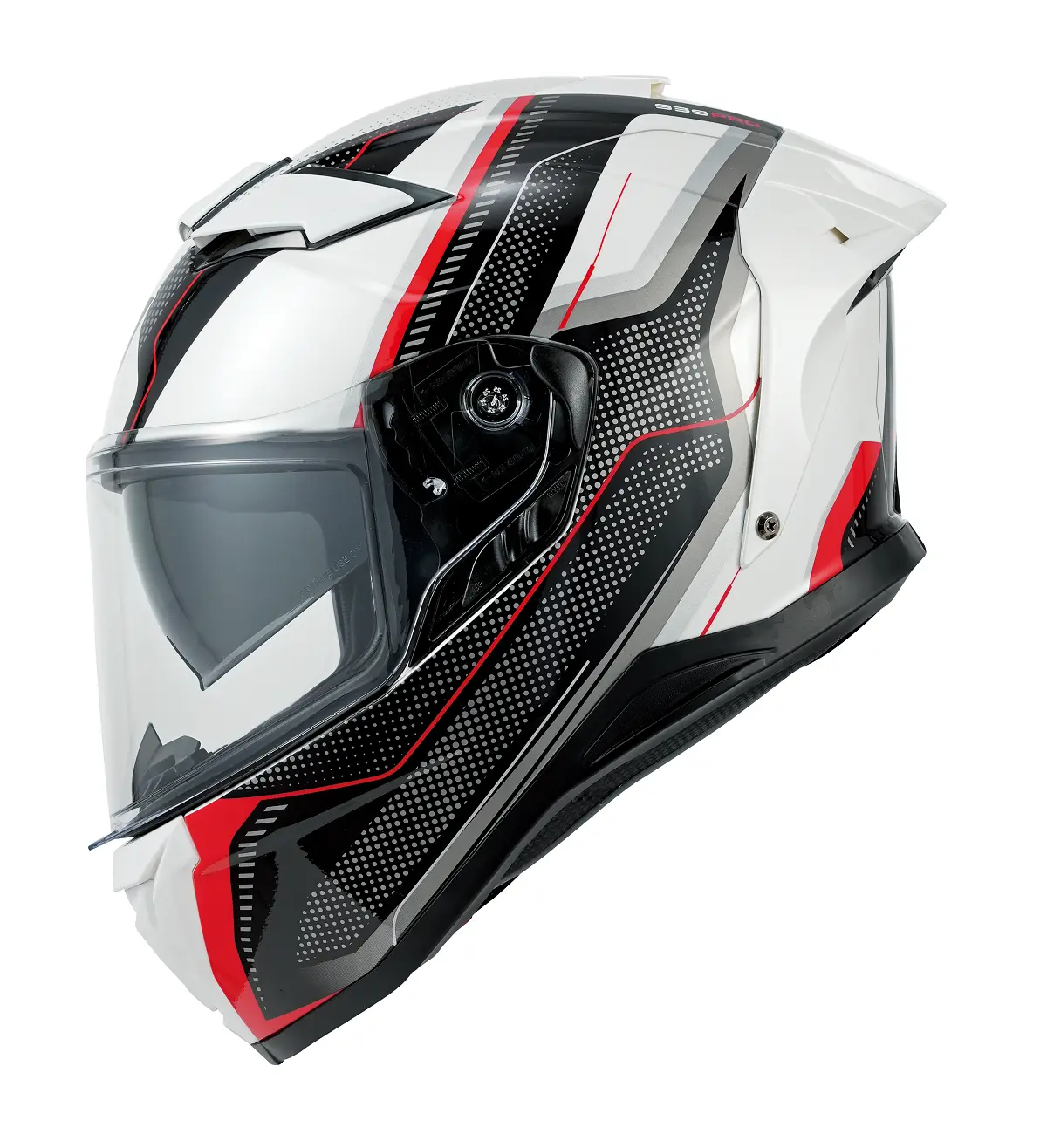
Motorcycling is an exhilarating pastime that offers an unrivaled sense of freedom and connection with the open road. However, with this thrill comes inherent risks, making safety paramount for every rider. One of the most critical pieces of gear in a motorcyclist's arsenal is the motorcycle helmet. Understanding the importance of helmet safety is essential not just for compliance with laws but for protecting your life during rides. In this context, the quest for the “safest motorcycle helmet” becomes a priority for any serious rider.
The Role of Helmets in Motorcycle Safety
Statistics reveal a sobering truth: motorcycle riders are significantly more vulnerable to accidents than motorists in enclosed vehicles. According to the National Highway Traffic Safety Administration (NHTSA), helmeted riders are approximately 37% more likely to survive a crash. The primary function of a helmet is to absorb impact during a collision, reducing the risk of severe head injuries, which can lead to permanent disability or death.
While wearing a helmet is often mandated by law in many regions, the type of helmet you choose can differ drastically in safety levels. This is where the distinction of the “safest motorcycle helmet” comes into play. A high-quality helmet designed with advanced materials and technology is more likely to minimize damage during an accident than a lower-grade model.
Key Features to Consider for Maximum Protection
When selecting the safest motorcycle helmet, various features must be meticulously evaluated to ensure maximum protection. Here are several key aspects to consider:
Safety Certifications: Helmets should meet rigorous safety standards set by organizations such as the Department of Transportation (DOT), Snell Memorial Foundation, and ECE (Economic Commission for Europe). These certifications ensure that the helmet has undergone extensive testing for impact resistance, penetration, and retention across various conditions.
Material Composition: A helmet's shell is often made from materials such as polycarbonate, fiberglass composite, or carbon fiber. Each type offers different energy absorption levels and durability. Helmets that incorporate advanced composite materials typically provide better protection against impacts.
Interior Padding: The internal lining of a helmet plays a crucial role in impact absorption. Look for helmets with multi-density foam padding, which is designed to compress at different rates during an impact, further protecting your head from direct force.
Fit and Comfort: For a helmet to perform optimally, it must fit correctly. A snug yet comfortable fit ensures that the helmet remains in place during a crash. Features like adjustable padding and modular designs can help achieve the perfect fit for different head shapes.
Visor Quality and Visibility: A helmet that comes equipped with high-clarity visors, anti-fog and anti-scratch coatings, and UV protection can significantly enhance visibility and safety during rides. Clear vision is critical for anticipating road hazards, weather changes, and other vehicles.
Ventilation System: Adequate airflow increases comfort for riders, especially during longer rides. However, it’s essential to find a balance between ventilation and structural integrity, as openings can diminish a helmet’s protective capabilities.
Weight: The weight of the helmet directly affects comfort during extended use. A lighter helmet, while still providing adequate protection, can significantly enhance the riding experience by minimizing fatigue.
Retention System: The chin strap and fastening mechanism are vital components of a helmet's design. A secure, easily adjustable retention system ensures that the helmet does not come off during an accident, which can be a life-saving feature.
The Psychological Factor
Wearing a helmet is not just about physical safety; it also instills confidence in riders. Knowing that you are wearing the safest motorcycle helmet can enhance focus and reduce anxiety while riding. This mental peace allows motorcyclists to enjoy the thrill of the ride without the nagging concern of possible injury.
As debates about helmet laws and personal choice continue, the responsibility of ensuring one’s safety ultimately falls on the individual rider. Informed choices about helmet selection—prioritizing the safest motorcycle helmet—are crucial for reducing road casualties and preserving lives. By understanding and recognizing the importance of helmet safety, riders can significantly enhance their chances of enjoying the exhilarating ride while minimizing risks. Investing in a high-quality helmet is not just a choice; it is an essential part of being a responsible motorcyclist.
Essential Safety Standards and Certifications to Consider
DOT Certification
In the United States, the Department of Transportation (DOT) sets minimum safety standards for motorcycle helmets. A helmet bearing the DOT mark has undergone rigorous testing and is deemed to meet safety requirements concerning impact resistance, penetration, and retention. To ensure the helmet's authenticity, the DOT label should not only be present but also legible. While DOT certification sets a baseline for safety, it’s essential to remember that not all DOT-certified helmets are equally safe; the quality and performance can vary widely among manufacturers.
ECE Standard
The Economic Commission for Europe (ECE) is another recognized authority in helmet safety, particularly popular in Europe and increasingly in other parts of the world. An ECE-certified helmet is subjected to stringent testing that evaluates its impact absorption, retention systems, and even the helmet's construction quality. Notably, ECE standards generally involve more rigorous testing scenarios than DOT standards, often including higher impact velocities and various helmet designs. If you're in the market for the safest motorcycle helmet, opting for an ECE-certified model can provide additional peace of mind.
Snell Memorial Foundation
The Snell Memorial Foundation adopts an even more comprehensive testing protocol aimed at ensuring that helmets exceed both DOT and ECE standards. Snell-certified helmets undergo a battery of tests, including multiple impact tests at various speeds and angles. Snell is often considered a gold standard for competitive riders looking for maximum protection, making it a smart choice if you frequently engage in racing or extreme riding scenarios. However, while a Snell certification indicates superior protection levels, it’s worthwhile to note that the additional safety can sometimes result in a heavier helmet.
FIM Certification
If you are a competitive rider, you should consider helmets that meet Federation Internationale de Motocyclisme (FIM) standards. FIM-approved helmets are designed for motorcycle racing and adhere to even more stringent testing protocols, focusing on the highest safety levels. They incorporate advanced materials and designs that provide enhanced protection in cases of high-speed accidents. Typically, only specific helmet models are FIM-approved, and they are often worn by professional racers, making them a benchmark for safety in extreme conditions.
Uniqueness of Helmets for Different Riding Styles
Understanding that not all helmets are created equally is pivotal when considering safety standards. For example, helmets designed for off-road use may favor ventilation and lighter weights, while touring helmets often prioritize comfort and aerodynamics. Each design may conform to the listed standards differently, and a helmet ideal for one type of motorcycling may not provide adequate protection in another setting.
Certification Labels
Certification labels provide a quick reference to the safety standards a helmet meets. Always check for these labels before making a purchase. Ensure the helmet displays accurate certification badges, such as DOT, ECE, Snell, or FIM. Remember also to verify the helmet's fit and comfort, as a properly fitting helmet is far more effective in an accident than a loosely fitted one, regardless of its certifications.
The Importance of Research
Before finalizing your choice of the safest motorcycle helmet, it's essential to conduct thorough research. Read reviews, consult safety ratings from credible organizations, and consider feedback from fellow riders. Safety standards and certifications provide a strong foundation, but real-world experiences and expert opinions can further guide you toward making an informed decision.
When investing in a motorcycle helmet, never compromise on safety. The right helmet can be the determining factor in how well you are protected in the event of an accident. Prioritize helmets with relevant certifications, ensuring they meet your specific riding needs and comfort requirements. Ultimately, you want the safest motorcycle helmet to provide you with the security and confidence you need on the road, allowing you to focus on the thrill of riding.
Key Materials and Construction Techniques for Durability
Key Materials and Construction Techniques for Durability in the Safest Motorcycle Helmet
Shell Materials
The outer shell of a motorcycle helmet serves as the first line of defense against impact. It is primarily crafted from a variety of materials, each with its own set of advantages. The most common shell materials include:
Polycarbonate: Known for its affordability, polycarbonate is a thermoplastic material that offers excellent impact resistance. Helmets made from polycarbonate are generally lighter than those made from other materials, making them comfortable for long rides. However, they can be less durable than higher-grade materials.
Fiberglass Composite: This material is created by layering fiberglass with resin to form a strong, lightweight shell. Fiberglass helmets tend to offer better durability and performance than polycarbonate helmets. They are also more resistant to wear and tear, making them a great choice for riders looking for longevity in their purchase.
Carbon Fiber: For those who want the best of the best, carbon fiber helmets provide superior strength-to-weight ratios. These helmets are exceptionally strong while remaining very light, which contributes significantly to rider comfort. The advanced properties of carbon fiber also make it a favorite among professional riders, offering unparalleled levels of protection and resilience.
Kevlar: Some high-end helmets utilize Kevlar fibers for added strength. This material is known for its use in bulletproof vests due to its remarkable tensile strength and resistance to abrasions. Helmets featuring Kevlar provide a high level of safety, particularly in extreme scenarios.
Liner Technology
Inside the helmet, the liner plays a vital role in absorbing impact energy and fostering comfort. The inner layers of a helmet typically comprise expanded polystyrene (EPS) foam, which serves to mitigate the forces encountered during an impact. The thickness and density of this foam matter significantly; denser foams can absorb more energy, thereby reducing the risk of traumatic brain injuries.
Modern helmets often feature multi-density foam liners. These innovative designs incorporate varying densities of EPS foam to better manage impacts of different intensities, optimizing shock absorption. Advanced helmets may even include additional materials such as EPP (Expanded Polypropylene) or MIPS (Multi-directional Impact Protection System), which aids in handling rotational forces during an accident. Helmets equipped with MIPS technology have been shown to provide enhanced protection by allowing the outer shell to rotate independently from the inner foam layer during specific impacts.
Construction Techniques
The manner in which a helmet is constructed is equally important to its durability and protective capabilities. Two primary construction methods stand out:
In-Mold Construction: This advanced technique fuses the outer shell with the EPS liner during manufacturing. As a result, the two layers bond effectively, enhancing overall structural integrity. In-mold helmets tend to be lighter and less bulky while maintaining strength, making them an excellent option for those who prioritize comfort without sacrificing safety.
Advanced Composite Construction: Some helmets use advanced composite techniques that combine multiple materials, such as fiberglass, carbon fiber, and aramid fibers, to create a high-performance shell. This multiple-material approach allows manufacturers to tailor the mechanical properties needed for enhanced strength and durability, thus improving both safety and the longevity of the helmet.
Surface Treatments
Once the shell and liner are completed, additional treatments can enhance durability. Many high-quality helmets undergo a rigorous finish treatment, often using UV-resistant coatings to protect against the sun's rays, which can degrade materials over time. Anti-scratch and anti-fog surfaces improve visibility and enhance the longevity of helmet components.
In conclusion, understanding the materials and construction techniques will help you choose the safest motorcycle helmet tailored for your needs. Your helmet is not just a piece of gear; it is a crucial component of your safety while riding. By investing in a helmet made from high-quality materials and advanced construction methods, you ensure that your safety is prioritized, providing peace of mind whenever you hit the road. Remember, when it comes to motorcycle safety, the right helmet is indispensable.
Comfort and Fit: The Role of Padding and Ventilation
When selecting the safest motorcycle helmet, comfort and fit are as crucial as safety ratings. A helmet that doesn’t fit well or isn’t comfortable can lead to distractions or fatigue during long rides, which undermines the very protection it is supposed to offer. In this regard, padding and ventilation play pivotal roles, impacting both the user experience and effectiveness of the helmet.
Importance of Proper Fit
First and foremost, the safest motorcycle helmet is one that fits correctly. An ill-fitting helmet can shift during rides, reducing protection and increasing the risk of injury in an accident. The fit should snuggly encase the head without pinching or creating pressure points. Most quality helmets come in various sizes and often feature multiple padding options to ensure a custom-like fit. It’s essential to try on different models and brands, as sizing can vary significantly.
When you choose a helmet, assess the fit by wearing it for several minutes. It should stay firmly in place when moving your head side to side, yet you should be able to remove it without excessive force. Proper cheek padding should be snug, while the inner lining should cover the full head while ensuring that no loose space exists that could allow movement upon impact.
The Role of Padding in Comfort and Safety
The padding inside a helmet serves a dual purpose: enhancing comfort and absorbing impact. High-quality helmets generally employ a multi-density foam which can effectively mitigate the forces of an impact while providing cushioning for long rides. The padding material should be soft against your skin but firm enough to provide support when needed.
Moisture-wicking materials are also significant, as they help keep you dry and comfortable. Riding conditions can significantly change with the weather, and the last thing you want is to be dealing with a sweaty or damp helmet. Many manufacturers now offer removable and washable liners, which can extend the life of the helmet while maintaining hygiene.
Additionally, the type of padding used can affect how well it conforms to your head shape. Some helmets feature adjustable padding, allowing you to customize fit further. This level of adjustability can be more comfortable during long rides where pressure points may develop, and a snug fit can enhance the helmet's protection capabilities during high-speed or impact scenarios.
Ventilation: The Key to Endurance
Another critical feature to consider when searching for the safest motorcycle helmet is its ventilation system. An effective ventilation system balances airflow and energy retention. High temperatures can lead to discomfort and distraction, decreasing a rider’s focus and performance.
Many modern helmets come equipped with adjustable vent systems that encourage airflow, directing cool air into the helmet while expelling hot, stale air. This not only helps maintain comfort but can also minimize fogging on the visor, enhancing visibility—an essential feature for safe riding.
Strategically placed vents can help draw heat away from your head without sacrificing safety. However, it’s essential to ensure that the helmet still passes safety standards, as some excessive venting could potentially compromise the integrity of the shell in the event of an impact. Select a design that achieves an optimal balance between safety and ventilation.
Specialized Designs
Different riding styles may necessitate varying requirements when it comes to padding and ventilation. For instance, those who favor sportbikes may benefit from a more aerodynamic design with a streamlined vent system compared to someone who enjoys cruising on a touring motorcycle. Each style of riding can inform your choice of helmet, helping you to prioritize features that will offer both safety and comfort based on your unique needs.
Beyond personal preference, choosing the safest motorcycle helmet that combines quality padding and effective ventilation can lead to a more enjoyable riding experience, allowing you to focus on the road ahead rather than your discomfort. Riding safely doesn’t just rely on the helmet's protective features; your comfort and fit can equally influence your ride.
In conclusion, when investing in the safest motorcycle helmet, remember that padding and ventilation are not merely additional features—they're integral to delivering a helmet that shields you effectively while catering to your comfort on the open road. Prioritize these aspects to ensure that your next ride is not only safe but also a pleasure.
Maintaining Your Helmet: Tips for Longevity and Performance
When it comes to ensuring safety while riding a motorcycle, the focus often falls primarily on selecting the safest motorcycle helmet. However, even the most advanced helmets require proper care and maintenance to perform optimally over their lifespan. A helmet is not just an accessory; it is an invaluable piece of safety equipment designed to protect your head in the event of an accident. Thus, understanding how to maintain it will not only prolong its life but also keep it performing at its best.
1. Initial Inspection: Assessing Your Helmet Right Out of the Box
Before diving into regular maintenance practices, your journey begins with a thorough inspection of the safest motorcycle helmet when you first purchase it. Look for any visible defects, including cracks or inconsistencies in the shell, padding, and visor. Make sure that all components are securely fastened and that the retention system, which includes the chin strap, fits snugly. If you find any issues, do not hesitate to contact the retailer for a replacement.
2. Regular Cleaning Rituals
Dirt, sweat, and oils can accumulate on your helmet, leading to degradation over time. To maintain the aesthetics and integrity of your helmet, regular cleaning is essential. Use a mild soap mixed with warm water and a soft cloth to clean the exterior. Avoid abrasive materials or harsh chemicals, as they can compromise the shell. Pay particular attention to the visor; clean it with a microfiber cloth specifically designed for optics to prevent scratches and ensure clear visibility.
Internally, take the removable lining out (if applicable) and clean it according to the manufacturer's instructions. Many linings are machine washable, while others may require gentle hand washing. Ensure you allow the interior to dry completely before reassembling to prevent mold and odor build-up.
3. Proper Storage Techniques
The environment in which you store your helmet plays a significant role in its longevity. Store it in a cool, dry place away from direct sunlight, as excessive heat and UV rays can weaken the materials and diminish protective capabilities. Consider investing in a helmet bag or designated storage box to protect it from dust and potential impacts. Avoid leaving it in a car or close to a heat source, which may warp the helmet's structure over time.
4. Inspection After Every Ride
Before hitting the road, get into the habit of conducting a quick inspection of your helmet. Look for any signs of wear, such as fraying straps, loose components, or cracks in the shell that may have appeared due to previous falls or mishaps. If you ever drop your helmet or experience any minor accidents, consider replacing it regardless of visible damage, as structural integrity is often compromised without evident signs.
5. Avoid Modifications and External Accessories
While it may be tempting to modify your helmet with stickers, additional visors, or custom paint jobs for personalization, this practice can compromise safety. The safest motorcycle helmets are designed to meet stringent safety standards. Adding external accessories can alter their aerodynamics, reduce comfort, or interfere with the helmet's protective capabilities. Stick to the manufacturer's guidelines to maintain the integrity of the design.
6. Replacement Guidelines
Even with the best maintenance practices, helmets have a limited lifespan due to the materials used in their construction. Generally, their effectiveness may diminish after 3 to 5 years, even if they show no visible signs of wear. Replace your helmet after any significant impact, even if it appears fine, as internal damages can be undetectable. Always adhere to the manufacturer's recommendations regarding replacement intervals.
7. Stay Informed on Safety Standards
The motorcycle helmet industry is continually evolving, with advancements in technology and safety standards. Stay informed about the latest research and changes in regulatory standards, such as DOT, ECE, or Snell certifications. Understanding these will give you insights into the safest motorcycle helmets available and help you maintain your current one to those standards.
Conclusion
In conclusion, selecting the safest motorcycle helmet is a crucial step in ensuring not only your comfort but also your safety on the road. With over 20 years of experience in the industry, we understand the importance of investing in quality gear that meets your specific needs while providing optimal protection. As you navigate through the array of options available, remember to prioritize key features such as safety ratings, comfort fit, ventilation, and visibility. Making an informed choice can significantly enhance your riding experience and peace of mind. Trust our expertise; when it comes to safety, never compromise. Ride smart, ride safe, and always make your protection a top priority.
Table of Contents
GET IN TOUCH WITH Us
Choosing a motorcycle helmet is a major decision. A helmet is designed to reduce the risk and severity of head injuries during a crash. With different types, standards, materials, and fit options available, knowing what to check can feel confusing.
 Company:
Foshan City Shunde Area Wenjin Motorcycle Parts Co.,Ltd
Tel: +86 18125793495
E-mail: sales@my-helmets.com
WhatsApp: +86 18125793495
 Add:
No.14/1 Wang Gang Sanlian Road, Longjiang Town, Shunde District, Foshan City, Guangdong Province, P.R. China
Copyright © 2026 MY Helmet | Sitemap